STEM Students Problems
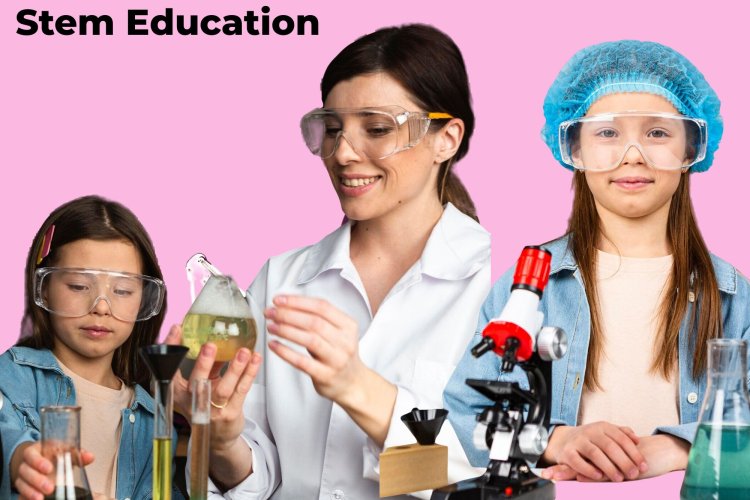
STEM stands for Science, Technology, Engineering, and Mathematics Education. This is an interdisciplinary approach that helps students succeed in college and future careers. STEM education focuses on hands-on, problem-based learning.
STEM Students Problems
Fear of failing or not getting the right answer is a common problem for STEM scholars. Especially if your class is new to science, technology, engineering, and math. Most other courses expect scholars to get the "correct" answers. If you pay attention and work hard, you should get a "good" score on the test, but that's not the case with it. Failure is an integral part of his STEM. The foundation of this education is the engineering design process. While there are many variations of the process, all real engineering processes are iterative and should focus on developing solutions to problems and improving those solutions. In this, scholars are not expected to have perfect solutions the first time. They may never have the perfect solution. But along the way, we need to develop a solution and decide how to improve it. It is difficult for scholars to understand without trying. Teachers and mentors can help tutees decide to pursue the academic major they will ultimately study. This evidence from her ICM-S research shows that a student's decision to study STEM in college can be directly influenced by classroom orientation and teacher advice. However, it can be difficult for teachers to engage them in specific subject areas. Here are some critical tips for tackling the challenges that arise in encouraging them to pursue theirs.
A Short Description :
It stands for Science, Technology, Engineering and Mathematics. This is an interdisciplinary subject and tutees will be exposed to all of these topics in every lesson. This is an educational philosophy that involves teaching skills and subjects in a way that is similar to real life. The term STEM is used to describe the critically important educational goal of integrating the entire curriculum beyond the skills that are most important to the success of 21st-century tutees. This education is evolving towards a comprehensive curriculum aimed at preparing the student for her 21st-century challenges. Her inquiry-based education in Singapore prepares scholars to become creative and innovative problem solvers, researchers, engineers, and designers.
What does Fear of Failure in STEM look like?
Because they didn't know the "right answer", the scholars completely closed their minds and refused to continue working on their projects. I've made other people angry and frustrated when my first idea didn't work. I'm sure you've faced a similar situation before. Or if you're new to this, it will be soon.
How can we overcome this common problem for these scholars?
So… how can we overcome this common problem for these students and help them embrace her way of thinking? Here's what worked for me:
Focus on Process Over Product
''STEM'' is about problem-solving and should be focused on helping them become better problem-solvers. This means teaching students explicit problem-solving strategies, assessing their problem-solving skills, and providing specific feedback on their problem-solving attempts. Engineering design process rubrics help you and your students focus on the problem-solving process. In these, tutees are not expected to have perfect solutions the first time. They may never have the ideal solution. But along the way, we need to develop a solution and decide how to improve it. It is difficult for scholars to understand without trying.
Innovative Teaching:-
Innovative education science can look boring when it's not aligned with real-world situations. If a concept is not effectively expressed, it can appear abstract and meaningless. A study by the Institute of Engineering and Technology found that "most scholars find the curriculum boring and irrelevant to life outside of school." Hands-on project work also enables group discussions, teamwork, networking, and interaction with colleagues. These are all considered his key 21st-century skills.
Topical Science:-
In current affairs, most children have trouble understanding the importance of science because they cannot see the connection between what they learn in the classroom and what happens in the real world. Scholars also find science subjects too difficult or too boring. Introducing science topics in the classroom helps students understand the importance of science in their daily lives.
A typical STEM class typically includes four basic steps:
Define a real-world problem.
Ask questions to investigate (hopefully) solve problems and develop possible solutions
Expand potential solutions,
Investigate a hands-on activity
Going Digital:-
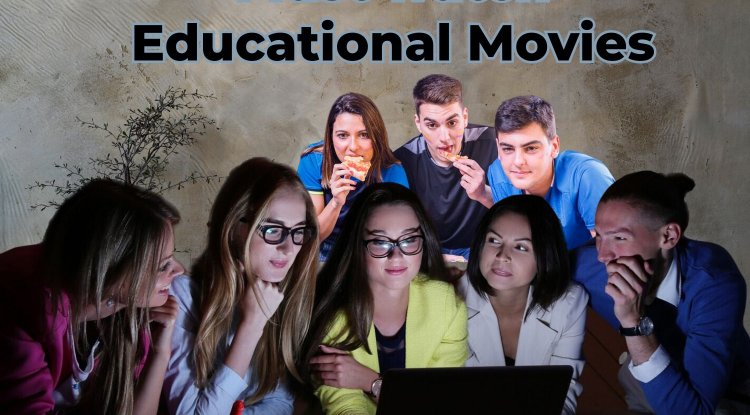
Explore hands-on activities in digital transformation most teachers and educators experience unpredictable heavy workloads and don't always have a lot of time to plan and work on complex lessons. Technology plays a role here. An EPI study found that teachers who force students to use technology in their lesson projects for all or most of the class get 4-5 more hours of free class each week than teachers who use educational movies and quizzes only occasionally. Educational movies are an easy and fun way to get students' attention and are often used to start teaching skills such as walking around the classroom.
Erasing the Gender Divide
Bridging the gender gapThe ratio of men and women working in these fields is still highly imbalanced, with men significantly outnumbering women. While the situation has improved significantly since the days of male model breadwinners, the barriers to entry are still high for young people wanting to learn STEM. There are more women than ever before in these fields, and therefore many great role models, but inequality of opportunity remains for women who successfully enter these careers and academia. For STEM girls and young women, dominant classes and workshops can lead to isolation, ostracism, and even complete alienation. Would you be scared if you were the only girl in a science class full of boys? Do you think everyone would treat you the way they treat you in class? Groups such as Girls Who Code, black girls code and the National Girls Collaborative Project come into play here. These organizations are at the forefront of making STEM an equitable industry by providing education, promoting science education for girls and other underrepresented groups, and providing a support network for those who need it. According to the National Science Report, "the educational attainment gap that separates an underrepresented minority remains large." Of course, this is largely due to inequalities in education and resources, but there is still more that can be done to include underrepresented demographics. It is clear that a multi-pronged approach that addresses all areas of underrepresentation and marginalization is the best way to achieve an equal, inclusive, and innovative future. So what can educators do to help? Educators cannot solve organizational barriers and marginalization overnight, but we know how important it is to support potentially disadvantaged students.
So What Can Educators Do to Help?
We always act as a point of contact for our students, ensuring that they are aware of outreach opportunities and programs that are available to them. For example, the Premier Academy of Nursing has developed a list of over 50 active scholarships for historically underrepresented groups, and endless opportunities beyond. We can provide the resources students need to enter higher education, such as NACME, APS, and more. Teachers play a key role in shaping future generations and can have a far-reaching impact on the lives of their students.
What's Your Reaction?